
How to Size and Certify Catcher’s Gear
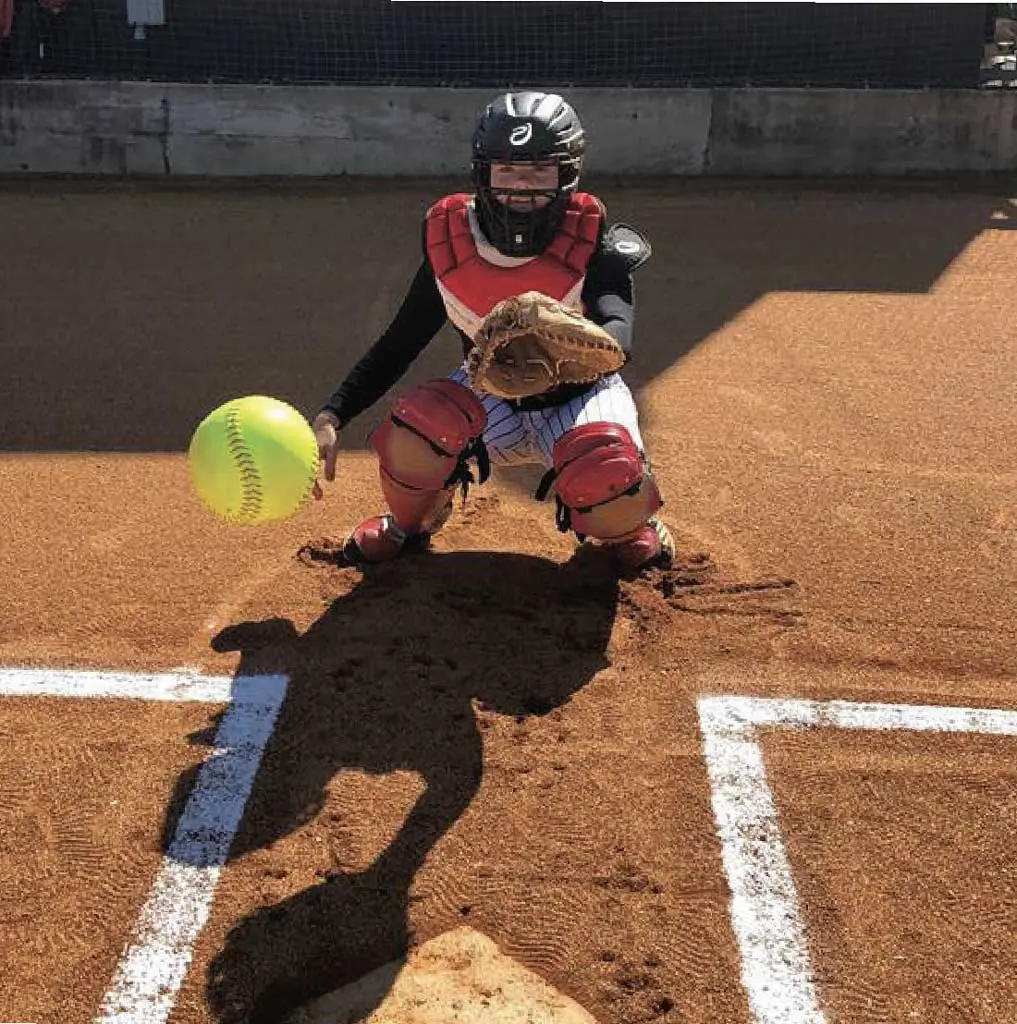
Sizing catcher’s gear correctly means matching each piece — helmet, chest protector, and leg guards — to the player’s actual measurements using the manufacturer’s size chart and confirming that the exact model carries the certification needed for the level of play, since certification applies model by model rather than to an entire gear line.
What to check for each piece
| Gear | Sizing approach | Certification to verify |
|---|---|---|
| Catcher’s helmet or mask | Fit to head measurement per size chart | Certain models meet applicable NOCSAE standards — confirm for the specific model |
| Chest protector | Fit to chest/torso measurement and age range | Certain models are SEI certified to meet NOCSAE standards for protection against commotio cordis — confirm for the specific model |
| Leg guards | Fit to leg length and knee position | Sized by manufacturer chart; confirm league requirements for the level of play |
Why model-specific certification matters
A certification or NOCSAE standard applies to the exact model it was tested for. It should never be assumed that because one model in a gear line is certified, every model in that line carries the same certification. Always check the specific product page or packaging for the model being purchased.
A simple way to decide
Measure the player using the manufacturer’s current size chart rather than estimating from age alone.
Confirm certification status for each specific model — helmet, chest protector, and leg guards separately.
Recheck sizing each season, since youth players can move up a size chart faster than expected.
This guide reflects ProNine Sports’ current catcher’s gear line as of September 2026. Confirm current certifications and sizing against the ProNine catalog before purchase.


