
By Jack Hayes, Operations Manager, ProNine Sports Published Oct 23, 2026
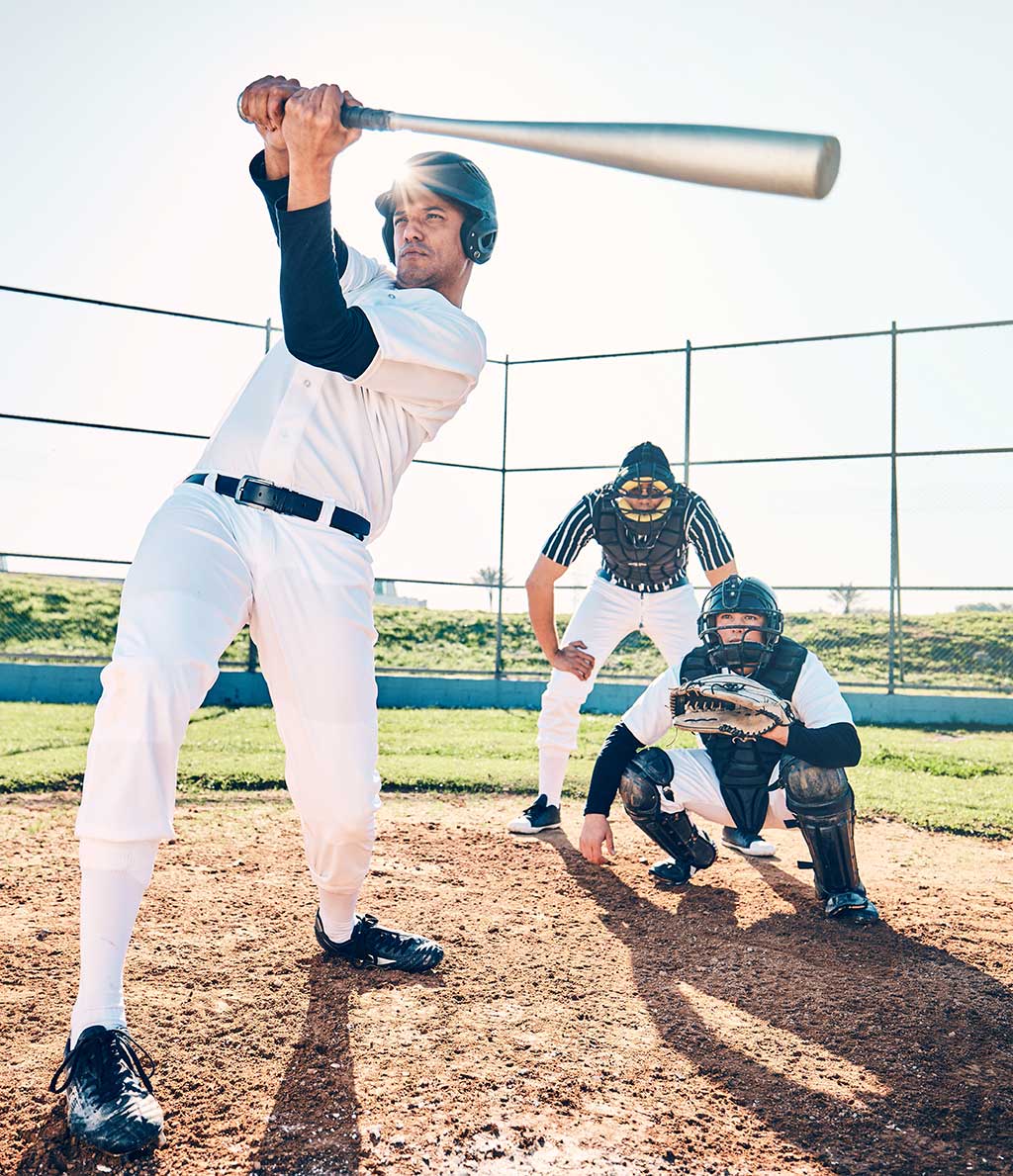
Most youth and travel teams get through 6 to 15 dozen balls in a full season — roughly 2 to 4 dozen per active month of practice and games, more if a pitching machine is in regular rotation. Team size isn’t the real driver. What matters is how many balls hit dirt, machines, and bats before they get pulled, and that number is easy to underestimate until a team runs dry mid-practice.
Game balls hold up the longest, since most of them never get hit hard more than a few times before they’re out of play. Practice is where balls actually die. A ball that goes through a pitching machine for an hour takes more seam and cover stress than a dozen game balls combined, and tee work and ground-ball drills grind covers against dirt and turf in a way live pitching never does.
Wet grass and infield dirt are the other quiet cost. Moisture softens covers and loosens seams, so a bucket of balls used for a rained-out infield session can be noticeably worse by the next practice. Foul balls and balls lost over a fence are a straightforward loss, not a wear issue, but they add up the same way on a shopping list.
The practical takeaway: count machine hours and bucket drills, not just games, when estimating how fast a team will burn through its supply.
There’s no single right number, but these ranges hold up across most programs:
| Level | Typical season length | Baseballs per season |
|---|---|---|
| Youth rec | 10–12 weeks | 3–6 dozen |
| Travel / high school | 4–6 months | 10–20 dozen |
| Pitching-machine-heavy programs | Year-round | Replace by the bucket every 3–6 weeks |
The jump from rec to travel ball isn’t about team size — it’s practice frequency and machine use. A travel team practicing three times a week will burn through balls at two to three times the rate of a rec team practicing once.
Buying a dozen at a time whenever a team runs low is the most expensive way to stay stocked, and it’s also how teams end up practicing with worn-out balls because nobody wants to make another run before the next game. Buying by the bucket up front does two things: it drops the per-ball cost, and it means a coach isn’t making a supply decision mid-season.
The risk on the other side is over-buying balls that sit and go soft in a garage for a year. The fix is to size the order to the level above, not a guess — use the practice frequency and machine hours from the season ahead, not last year’s leftover count, since a program that added a second weekly practice or a new pitching machine will blow past last year’s numbers fast.
Match the order to practice frequency and machine hours, not team size, and buy ahead of the season rather than catching up mid-year. Browse ProNine’s baseball lineup by level, or go straight to practice buckets for programs that go through balls fast.

By Jack Hayes, Operations Manager, ProNine Sports — Published September 6th, 2026
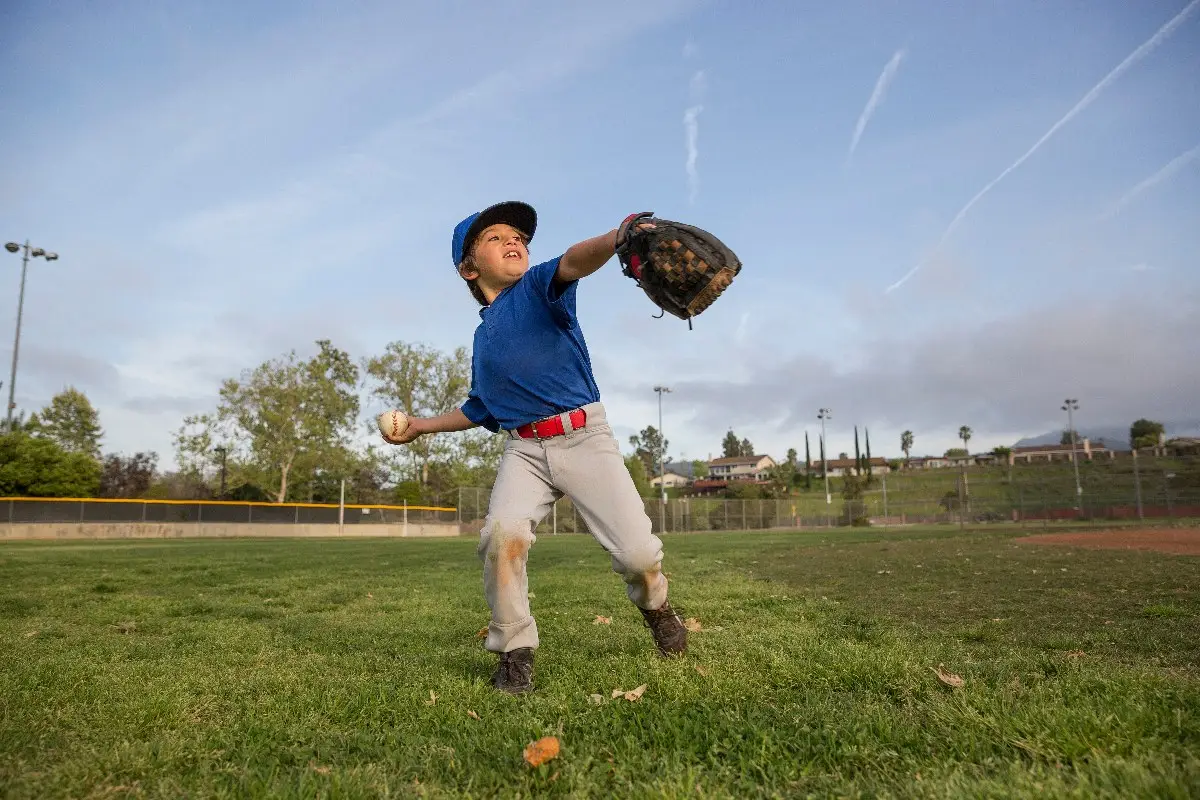
The right practice baseball depends on where practice happens: a leather practice ball for cage and field work, a composite ball when durability and volume is preference, and a wet-weather ball for teams that practice outdoors in rain or heavy dew. Matching the ball to the setting protects equipment, keeps practice consistent, and stretches a team’s ball budget further than buying game balls for daily reps.
A game ball is built to meet a governing body’s exact specifications for competition. A practice ball is built for a different job: standing up to hundreds of repetitions, live batting practice at a price point that makes replacing them routine rather than painful. Using game-grade balls for daily practice wears them out fast and costs more than it needs to.
| Setting | Recommended type | What it’s built for |
|---|---|---|
| Live batting practice, cage work | Full-grain leather (CBP, BP) | Game-like feel and response for repeated batting practice |
| High-volume daily reps, | Composite (X4, X5) | durable under heavy use |
| Outdoor practice in rain or wet turf | Wet-weather leather (WWA) | Built to hold up and stay lively when practice conditions get wet |
| General durability practice | BLEM (OLAX, OLAX LS) | Practice friendly ball that is similar to a game ball that wont break the budget. |
Teams that also need league-legal balls for scrimmages or games should confirm the correct governing-body mark before buying — Little League (LL, LL1), Babe Ruth League (BRL, BRL1), Cal Ripken League (CR, CR1), PONY (PL, PL1), Senior Little League (SLL, SLL1), or USSSA (USSSA, USSSA1). Regular-season and regular-season-and-tournament versions are both available; check current league requirements, since approvals can change between seasons.
This guide reflects ProNine Sports’ current baseball line as of September 2026. Confirm current specifications, certifications, and governing-body approvals against the ProNine catalog before purchase, as these can change between seasons.
By Jack Hayes, Operations Manager, ProNine Sports — Published July 29th, 2026
The right cover material comes down to what the ball needs to survive: full-grain leather gives the most game-like feel and is standard for competitive play, synthetic covers hold up better against moisture and repeated use, and composite covers are built for the highest-volume practice and machine use where cost-per-rep matters most.
Comparing the main construction types
| Type | Feel and performance | Durability | Typical use |
|---|---|---|---|
| Full-grain leather (CL, PRO, OL, NFHS lines) | Closest to game-ball feel and response | Strong for competitive play; wears faster under heavy machine or daily-practice use | Games, tryouts, high-level practice |
| Synthetic cover (47 SC softball lines) | Consistent performance in varied weather | Holds up well against moisture and repeated wetting | Fastpitch softball in variable outdoor conditions |
| Thin composite (X4, X5, CPM 9, CPM 12) | Durable, game-like response without the leather price point | Built for high-rep practice and machine use; resists bat and cage denting | Daily practice, pitching machines, training facilities |
| Foam-covered (PMZ 9, PMZ 12) | Reduced hand sting, softer contact | Best for lower-speed, beginner-level reps | Younger players, entry-level hitters |
| Dimpled polyurethane (PM 9, PM 12) | Controlled, consistent compression | Long-lasting under machine use | Standard pitching-machine sessions |
A simple way to decide
*This guide reflects ProNine Sports’ current baseball and softball lines as of September 2026. Confirm current specifications and approvals against the ProNine catalog before purchase.
By Jack Hayes, Operations Manager, ProNine Sports — Published June 1st, 2026
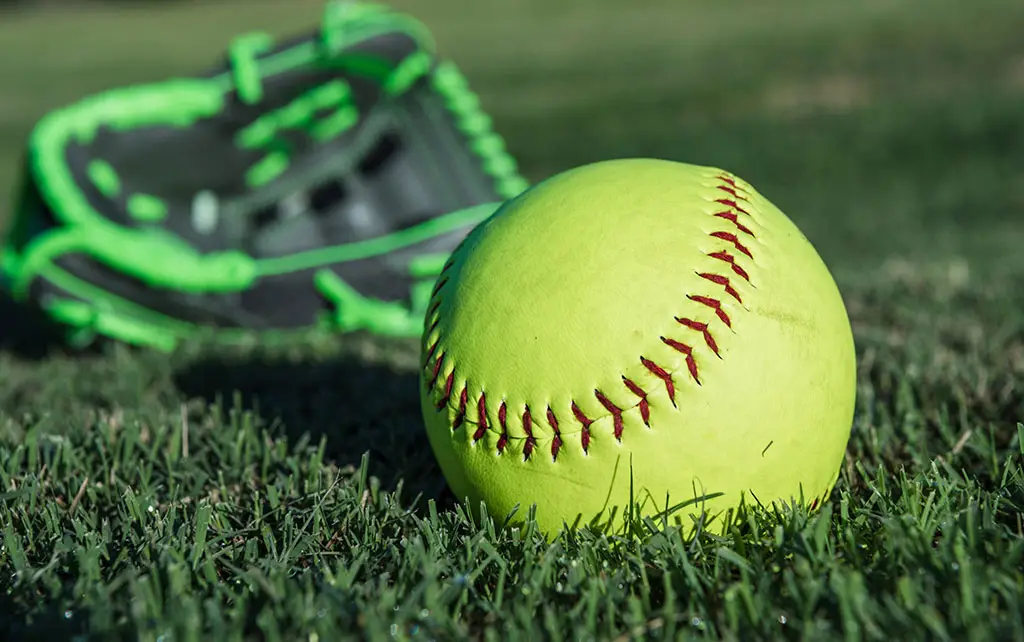
The right softball size comes down to the division and governing body a team plays under, not player preference: younger divisions typically play 11-inch, older divisions and most higher-level fastpitch play 12-inch, and the exact cutoff depends on the specific league.
| Size | Common use | Governing bodies with marked models |
|---|---|---|
| 11-inch | Younger youth divisions | Little League, PONY, USSSA |
| 12-inch | Older youth, high school, and most standard fastpitch play | Little League, PONY, USSSA, USA Softball, NFHS |
Age cutoffs for 11-inch versus 12-inch play vary by governing body and can change between seasons, so the deciding factor is always the specific league’s current rule for that division — not a general age guideline. Leather and synthetic-cover versions are both available in each size; synthetic covers hold up better in wet or humid outdoor conditions, while leather gives a more traditional feel.
Confirm the division’s required ball size directly with the league or governing body.
Match the governing-body mark (Little League, PONY, USSSA, USA Softball, or NFHS) to the team’s actual sanctioning body.
Choose synthetic cover for outdoor programs in wet or humid climates, leather for a more traditional feel.
This guide reflects ProNine Sports’ current softball line as of September 2026. Confirm current size requirements with the governing league before purchase, as age-division rules can change between seasons.
By Jack Hayes, Operations Manager, ProNine Sports — Published May 25th, 2026
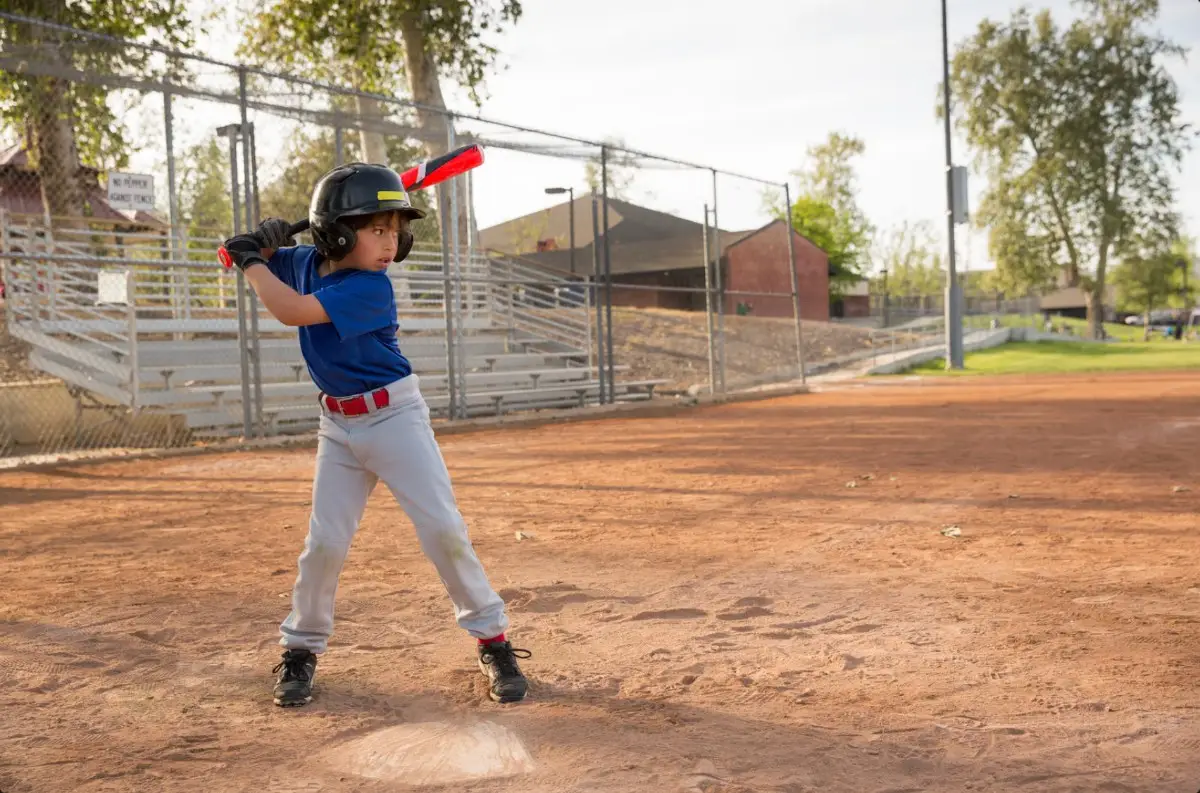
Training facilities cut ball replacement costs most effectively by matching ball construction to each station’s actual wear pattern — composite or dimpled polyurethane balls for high-rep machine and tee stations, leather reserved for stations meant to simulate game feel — and by rotating and inspecting stock on a schedule instead of replacing balls only after they fail.
A facility puts far more reps through a ball in a week than a single team does in a season. The biggest wear factors are repetition volume per station, machine compression cycles, mishits into netting or turf, and moisture from indoor humidity or outdoor use. Matching ball type to each specific station addresses all four at once.
| Strategy | What it addresses | Practical step |
|---|---|---|
| Match construction to station | Repetition volume | Use composite or dimpled polyurethane (X4, X5, PM 9) at the highest-volume tee and machine stations; reserve leather for lower-volume, game-feel stations |
| Separate wet-weather stock | Moisture damage | Keep a dedicated set of wet-weather leather balls (WWA) for outdoor or high-humidity use rather than cycling standard practice balls through wet conditions |
| Scheduled rotation and inspection | Uneven wear across stock | Rotate ball stock between stations on a fixed schedule and pull damaged balls at inspection rather than waiting for a session-ending failure |
| Match ball to hitter level | Unnecessary wear from mis-matched equipment | Use lighter or foam-covered options (PM 9 Lite, PMZ 9) for younger or lower-speed stations, reducing wear from mismatched force |
This guide reflects ProNine Sports’ current product line as of September 2026. Confirm current specifications against the ProNine catalog before purchase.