
Why Training Bats Are for Tee Work, Not Live Pitching
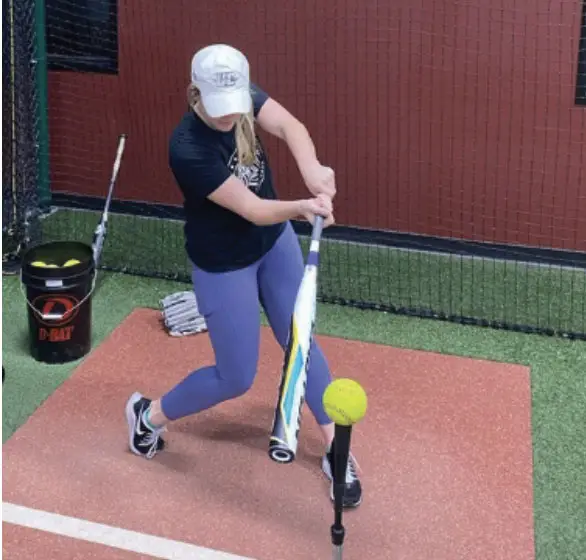
Training bats — one-hand trainers, overload and underload bats, hand-eye trainers, sweet-spot bats, and flat bats — are built for controlled, repeatable swings against a tee or soft toss, not for absorbing the impact of live pitching, and should not be used for live pitching unless a specific product page states otherwise.
Why the distinction matters
Training bats are engineered around a specific training purpose — emphasizing bat path, hand position, or swing mechanics — rather than around withstanding the repeated high-impact contact of live pitching. Using a training bat for a purpose it wasn’t built for increases the risk of bat failure and reduces the training value the bat was designed to provide.
Matching the bat to the drill
| Bat type | Built for | Use with |
|---|---|---|
| One-hand trainers | Hand position and bat control | Tee or soft toss |
| Overload/underload bats | Bat speed and swing strength | Tee or soft toss |
| Hand-eye trainers | Contact precision | Tee or soft toss |
| Sweet-spot and flat bats | Barrel accuracy | Tee or soft toss |
A simple way to decide
Use training bats for tee work and soft toss only, unless a specific product page says otherwise.
Switch to a standard game bat before taking live pitching, batting practice from a coach, or machine-fed pitches at game speed.
Check the specific product page for any bat before assuming it’s rated for live pitching.
This guide reflects ProNine Sports’ current training bat line as of September 2026. Always check the specific product page for intended use before purchase.


